Pigmentation
Pigmentation vs Tanning: Understanding the Difference
 Dr. Ananya Mehta, Consultant Dermatologist1 min read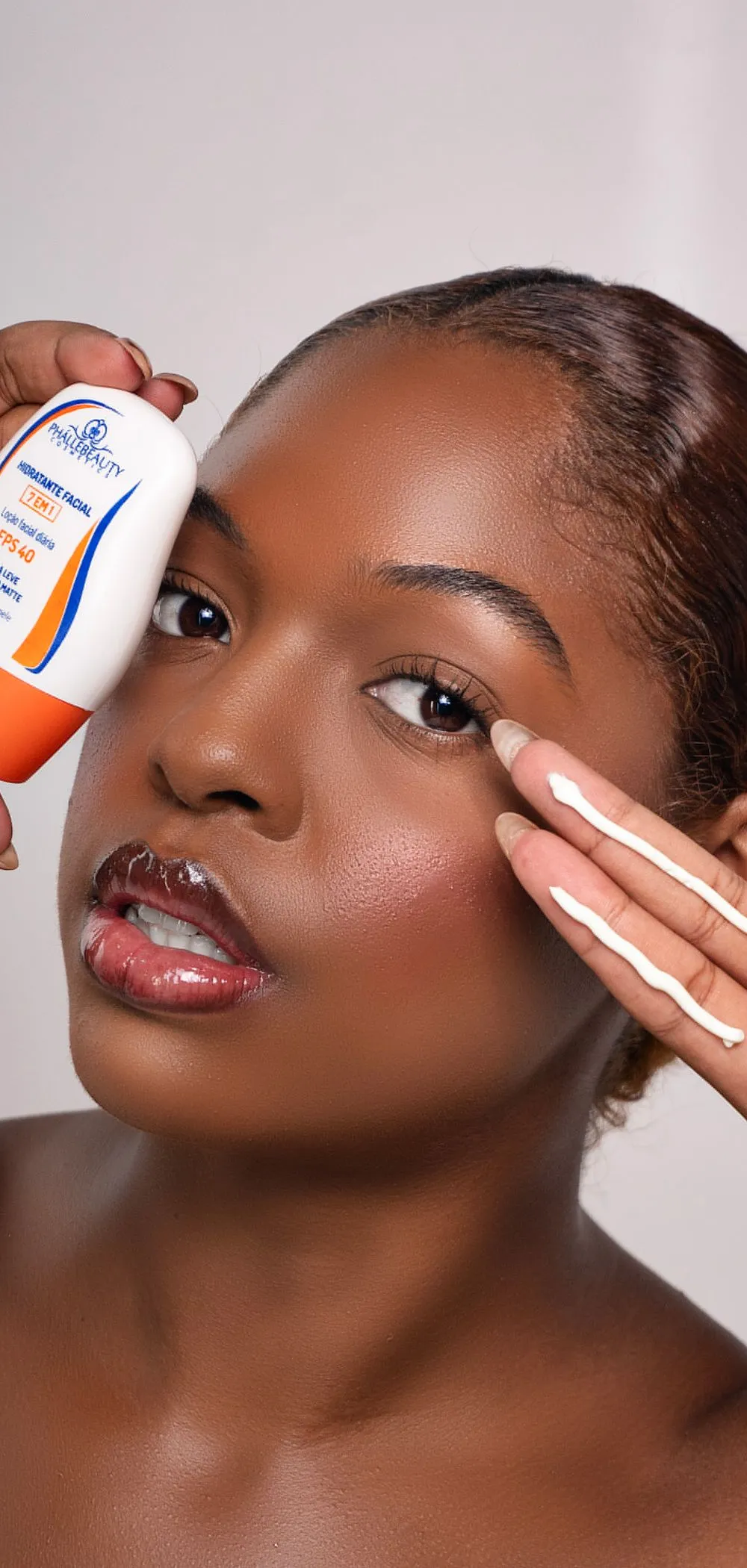
Not every dark patch is a tan. Learn how tanning, melasma and post-acne marks differ — and why the difference changes treatment.
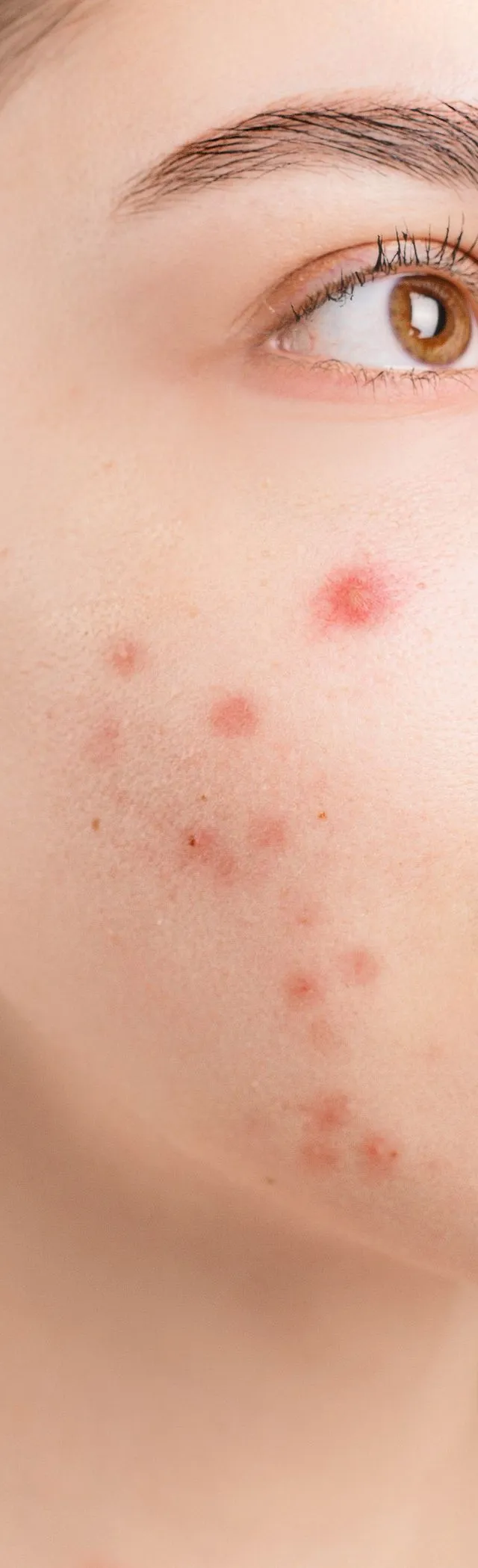
“It's just a tan” is something I hear often — and sometimes it is. But many dark patches on the face are actually pigmentation disorders that behave very differently and need a different approach.
What is tanning?
Tanning is the skin's natural response to sun exposure. UV rays stimulate melanin production to protect the skin, causing a fairly even darkening on exposed areas like the face, arms and neck. With good sun protection, a tan usually fades gradually over weeks.
What is pigmentation?
Pigmentation disorders involve pigment being produced or deposited unevenly. Common types include:
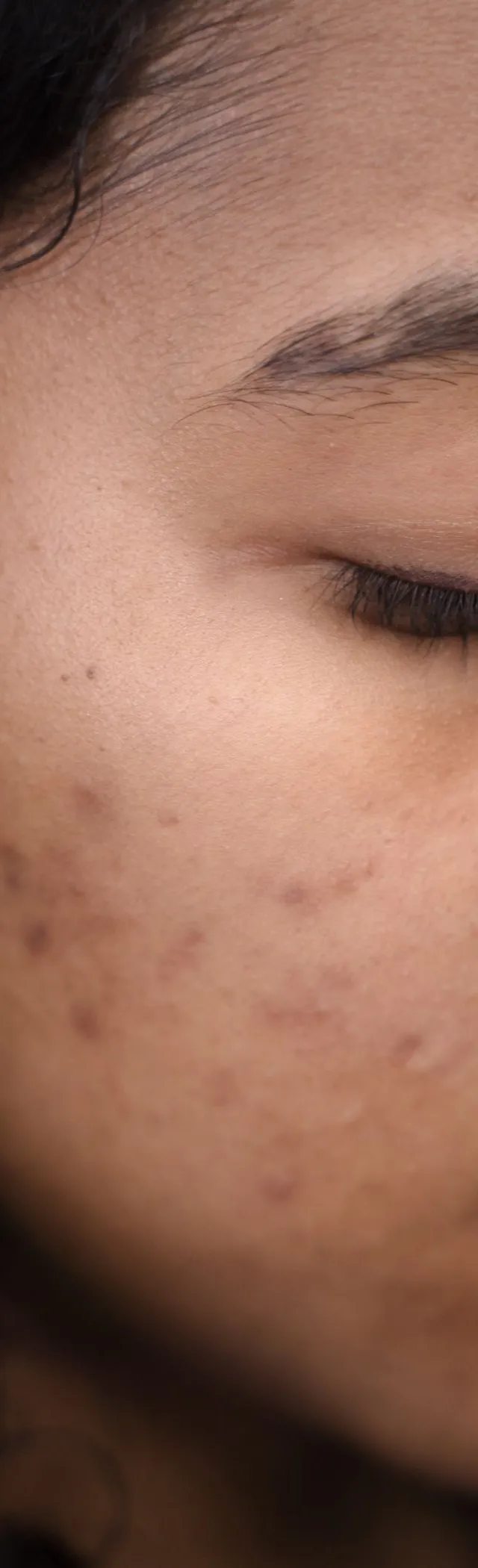
- Melasma — symmetrical brown patches on the cheeks, forehead or upper lip, often linked to hormones, sunlight and heat.
- Post-inflammatory hyperpigmentation — dark marks left behind after acne, injury or irritation.
- Sun spots — well-defined spots on areas with years of sun exposure.
Why the difference matters
A tan responds well to sun protection and time. Melasma, on the other hand, can worsen with aggressive treatments, heat and some lasers, and usually needs gentle, long-term management. Post-acne marks fade faster once active acne is controlled. Treating the wrong condition — or using harsh products — can make pigmentation darker.
Protecting your skin every day
For all types, a broad-spectrum sunscreen, reapplied during the day, is the foundation. Pune's strong sunlight and heat make this especially important. Visible light and heat also matter for melasma, so tinted sunscreens and physical protection like hats help.
When to seek help
If dark patches don't fade within a few weeks, are spreading, or keep returning, a dermatologist can identify the type and build a plan that improves tone safely.