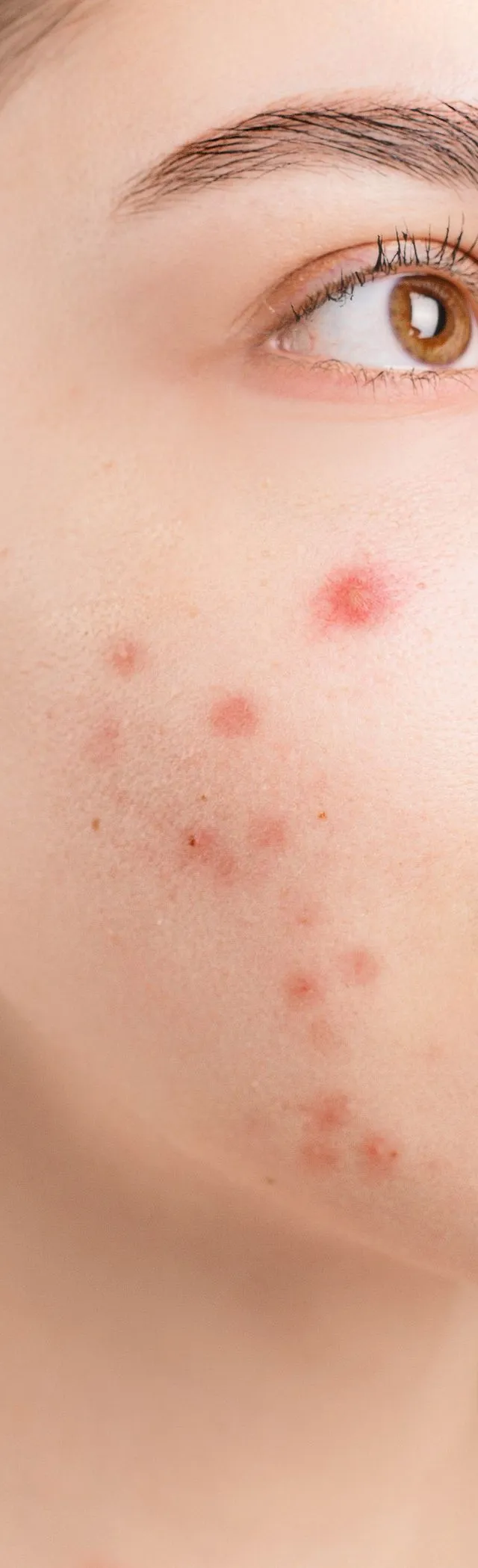
Acne Scars
Can Acne Scars Really Be Improved? Understanding Your Options
 Dr. Ananya Mehta, Consultant Dermatologist1 min read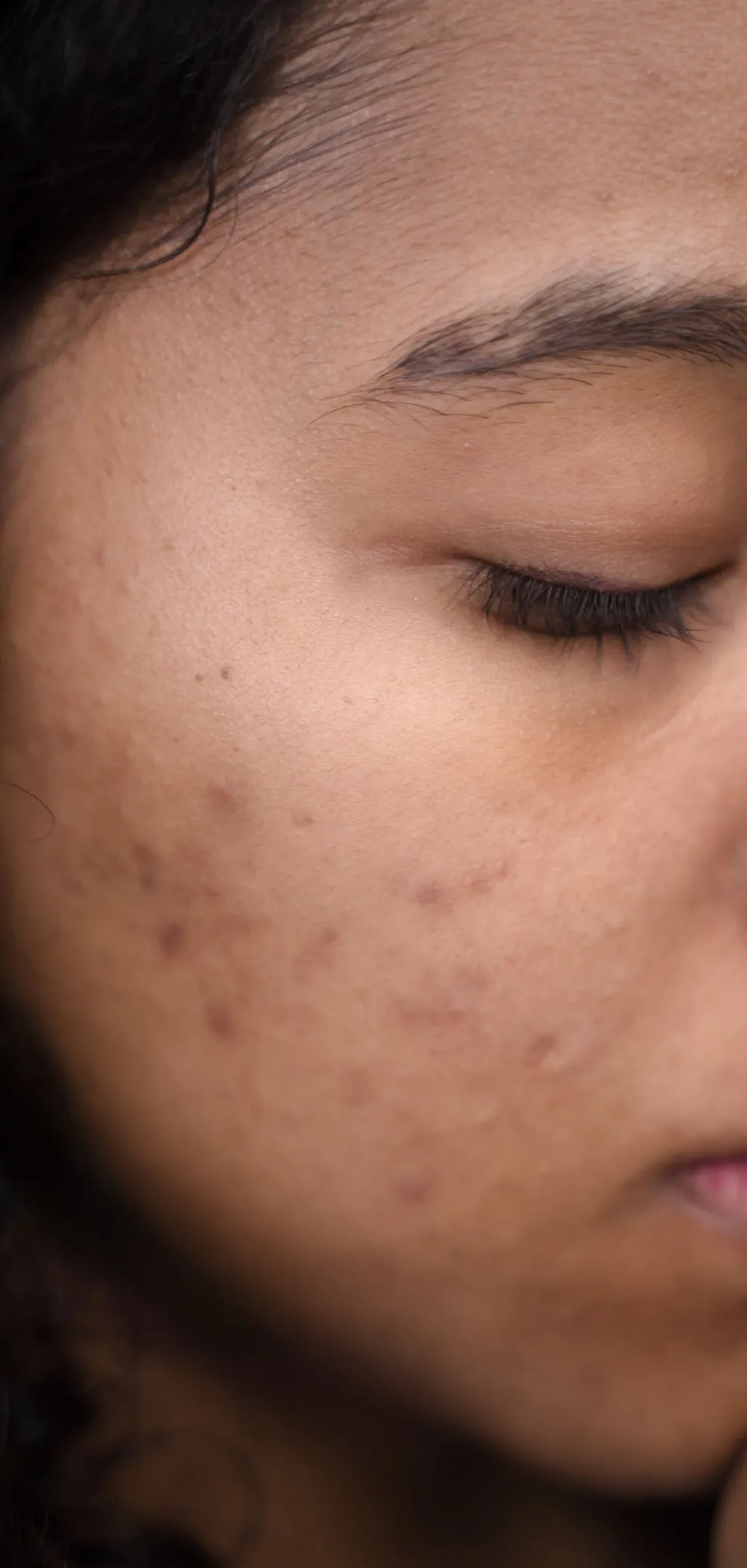
Acne scars come in different types — and each responds to different treatments. Here's an honest look at what can be achieved.
Acne scars can stay long after breakouts have gone, and many people assume nothing can be done. In reality, most acne scars can be improved — the key is matching the treatment to the scar.
First, is it a scar or a mark?
Flat brown or red marks after acne are usually post-inflammatory pigmentation or redness, not true scars. They often fade with time, sun protection and targeted treatment. True scars change the skin's texture, leaving depressions or, less commonly, raised areas.
Types of acne scars
- Rolling scars — broad, wave-like depressions.
- Boxcar scars — wider depressions with sharp edges.
- Ice-pick scars — narrow, deep pits.
- Raised scars — thickened scars, more common on the chest and back.
Treatment options
Most people have a mix of scar types, so the best results usually come from combining treatments over several sessions. Options may include microneedling-based procedures, laser resurfacing, chemical peels for superficial texture, and subcision to release tethered scars. Your skin type, scar depth and downtime tolerance all shape the plan.
Setting realistic expectations
Scar treatment softens and smooths — it rarely erases scars completely. Improvement is gradual, with collagen remodelling continuing for weeks after each session. Honest expectations make the journey far less stressful.
Control active acne first
Treating scars while acne is still active can create new scars. That's why a good plan brings acne under control before, or alongside, scar treatment.